
Vadim Stepanov | aviaspotting.com
SPOTTING REPORT
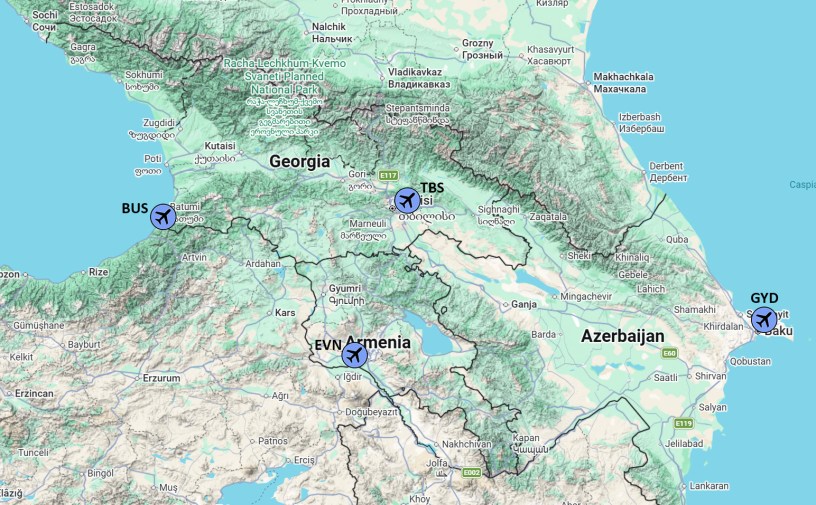
Tbilisi, Batumi, Yerevan, Baku. What do these four spots on the map have in common? They’re populated, they’re in the Caucasus, and they’re the four largest cities in the region. And I also recently visited the airports of all of these cities.
From a planespotting perspective, these aren’t the best locations in the world – the airports aren’t the largest, and the spotting points aren’t the most convenient. But the local flavor, expressed in the liveries of local airlines, and the international traffic from Europe and the Middle East, make up for the relative inconvenience. And you can find spots for shooting almost anywhere, anytime.
Here is the spotting rating for these airports.
| Airport | Air Traffic | Airline Variety | Spotting Locations |
| Tbilisi International Airport (TBS) |  | | |
| Batumi International Airport (BUS) |  | |  |
| Yerevan Zvartnots International Airport (EVN) | | | |
| Baku Heydar Aliyev Intl. Airport (GYD) | | | |
Heydar Aliyev Airport in Baku is the largest airport in the region. In Tbilisi and Yerevan, several local airlines share traffic with a fairly wide range of international airlines. Batumi, however, offers the best spots for spotting.
Below is a brief description of my experience in each of the airports.
Tbilisi International Airport (TBS)
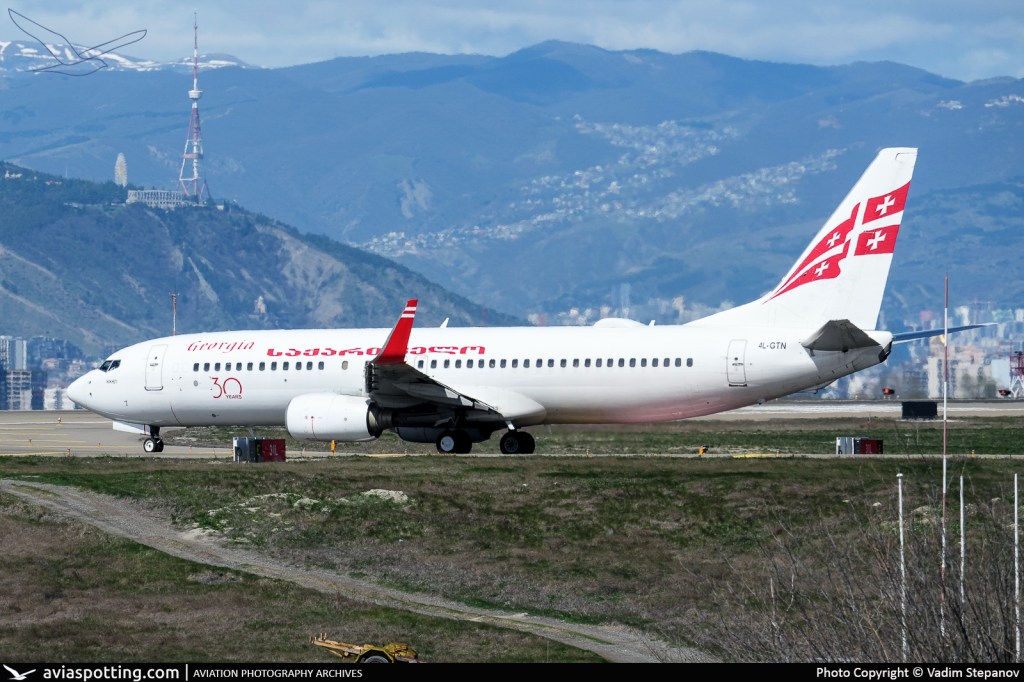
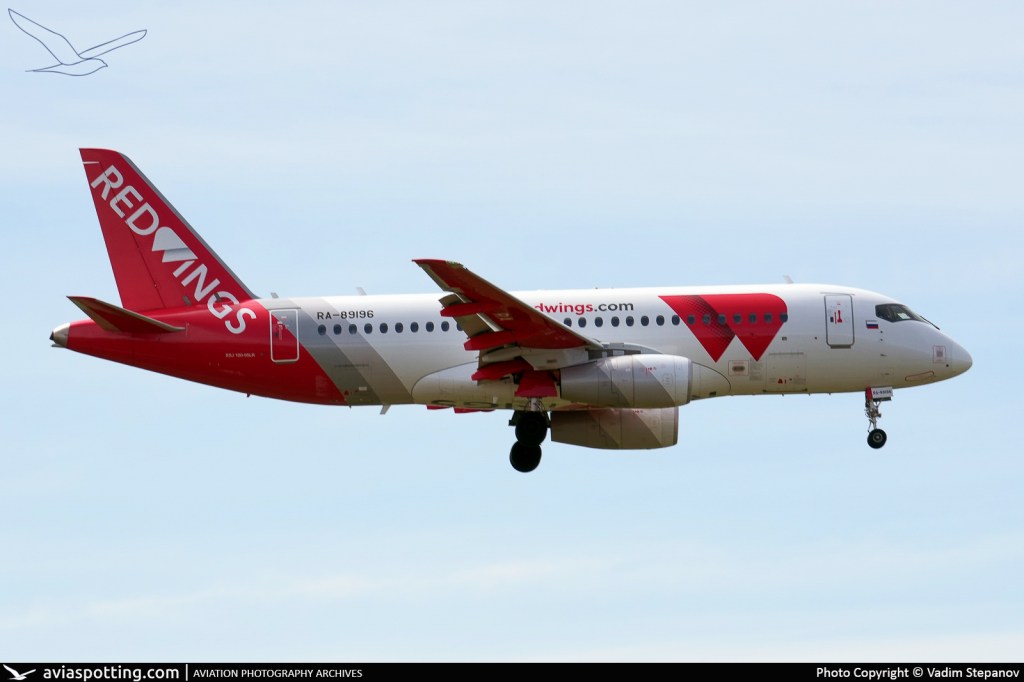
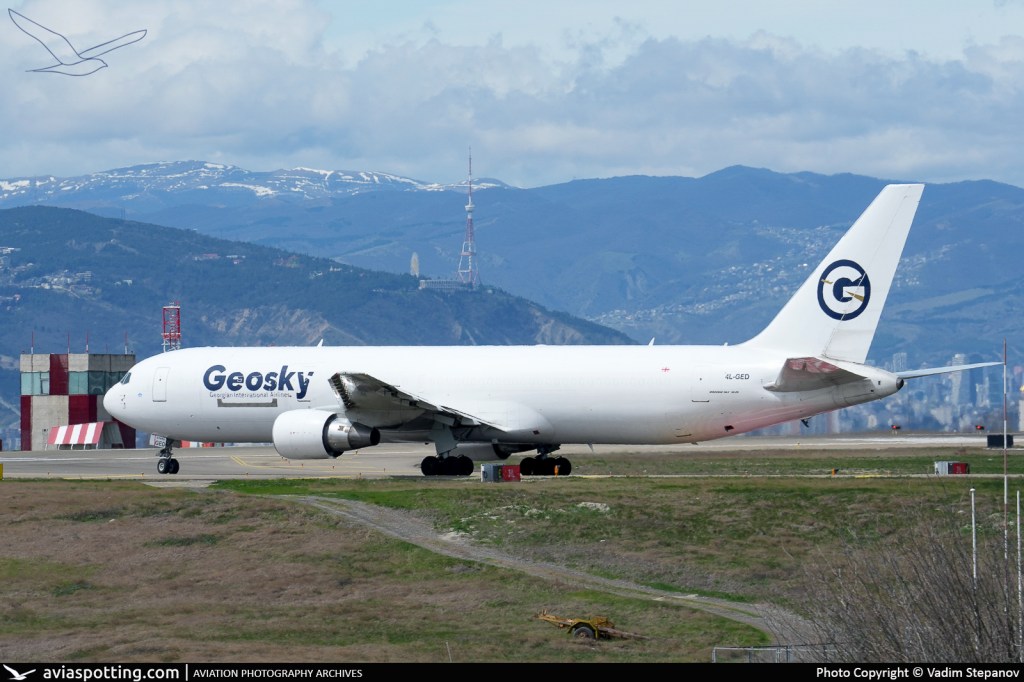
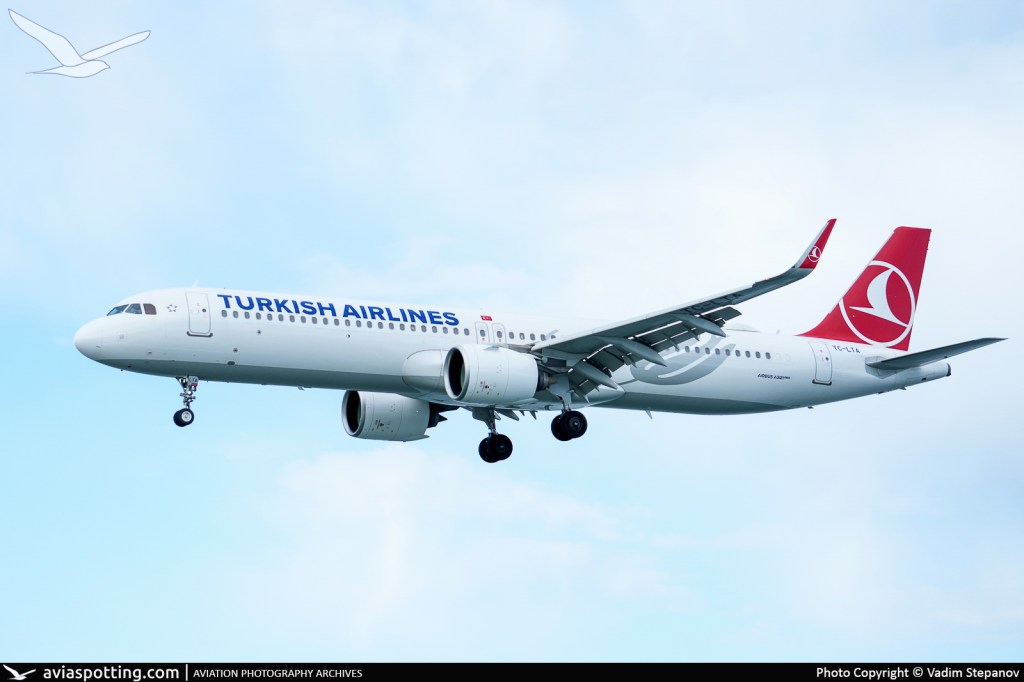
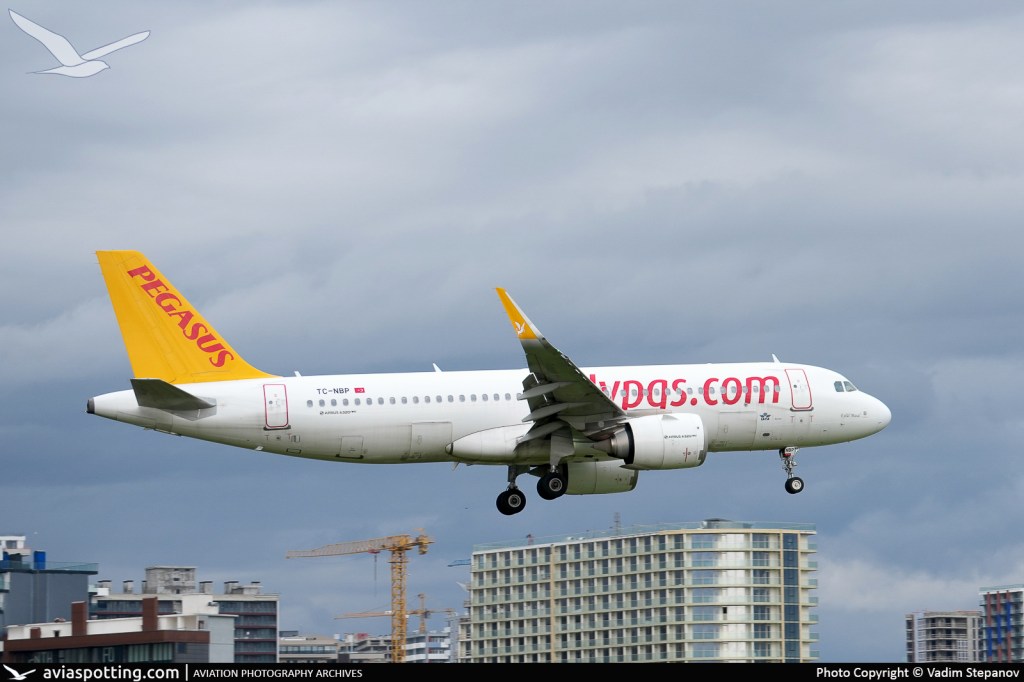
Tbilisi Airport handles approximately 5 million passengers annually, behind Baku and Yerevan. Passenger traffic is represented by the national airline Georgian Airways and a wide range of airlines from Europe and the Middle East. The second-largest carrier in terms of flights to Tbilisi is the Russian airline Red Wings. Azimuth Airlines is the only other company flying to Tbilisi from Russia. An interesting feature of Tbilisi Airport is the presence of several local cargo carriers – Geosky, Georgian Airlines, and CAMEX Airlines. Each has a small fleet, but together they add variety to the local traffic.
The most convenient spotting point in Tbilisi is the hill near the western perimeter of the airport. You can also shoot from the terminal – the wide windows in the departure area overlook the airfield.
Batumi International Airport (BUS)
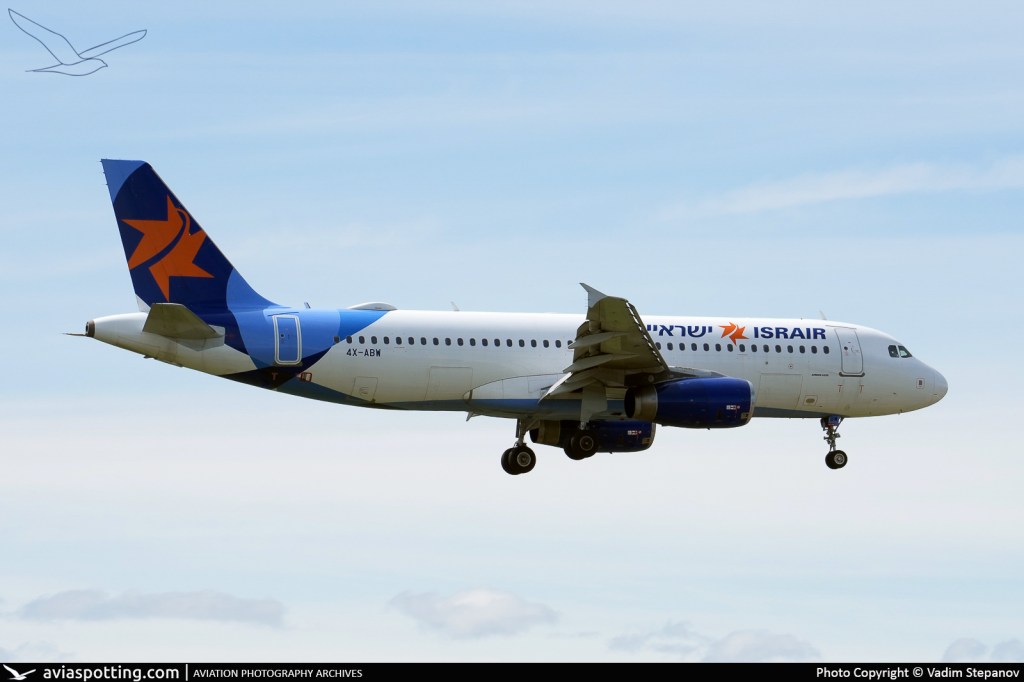
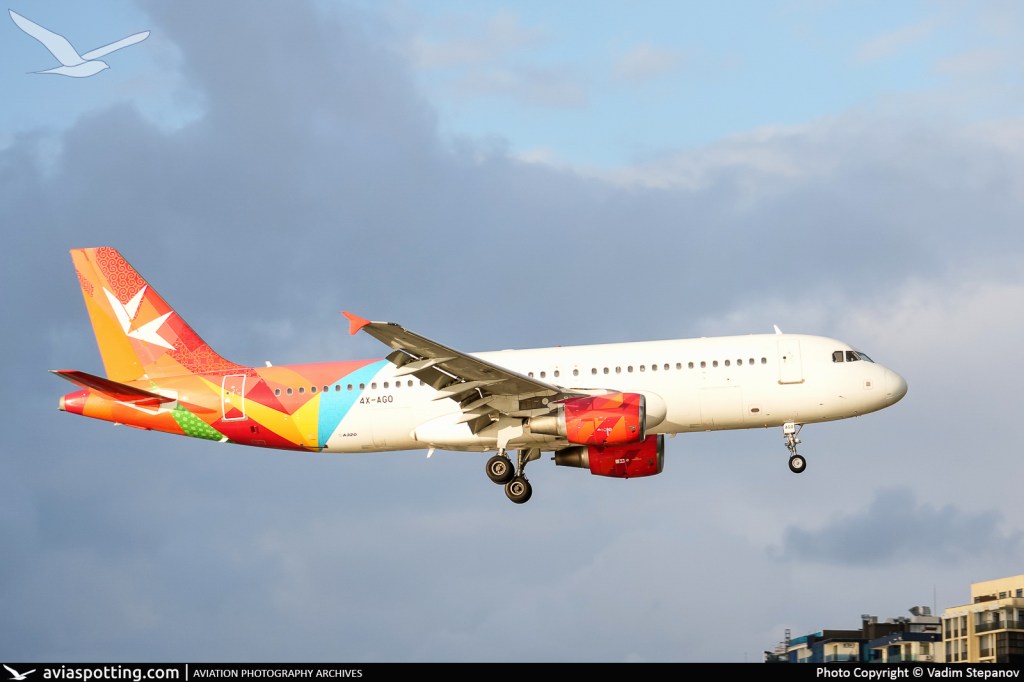
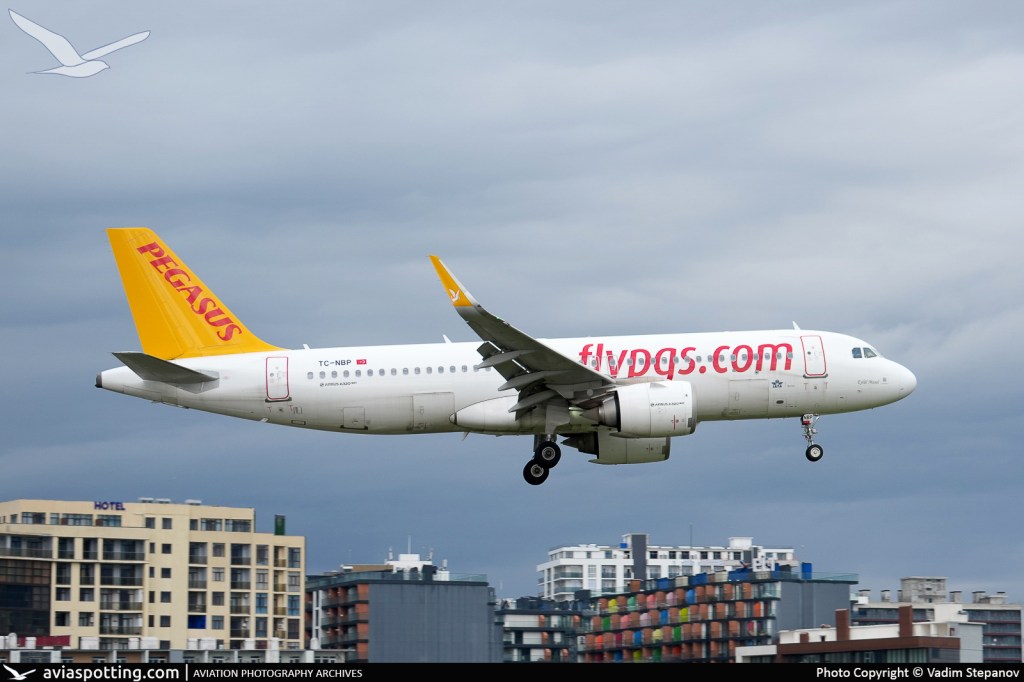
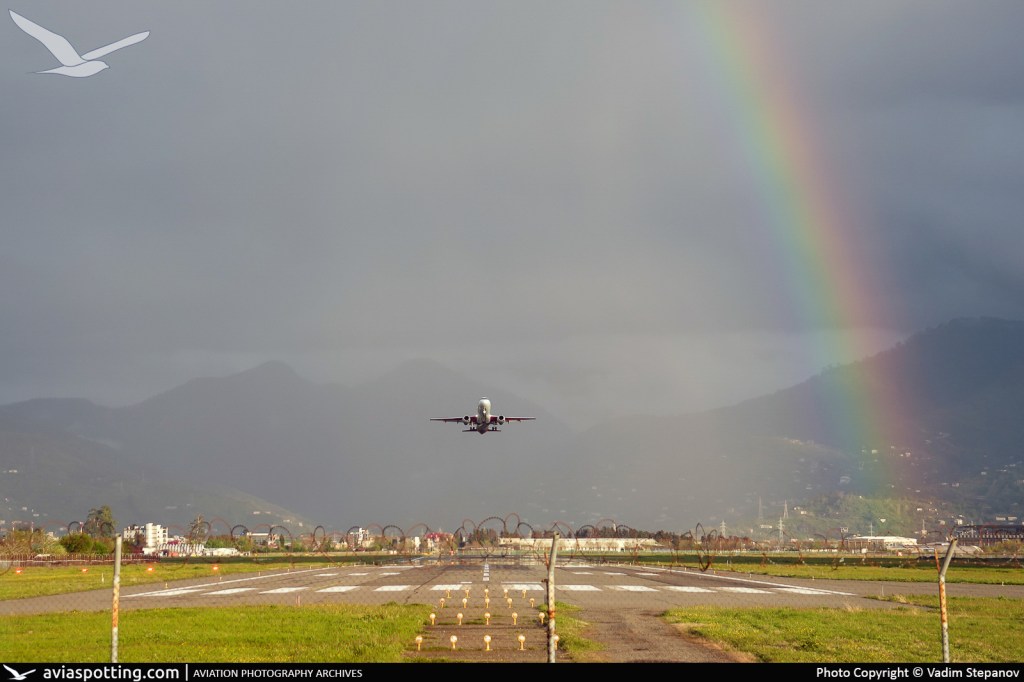
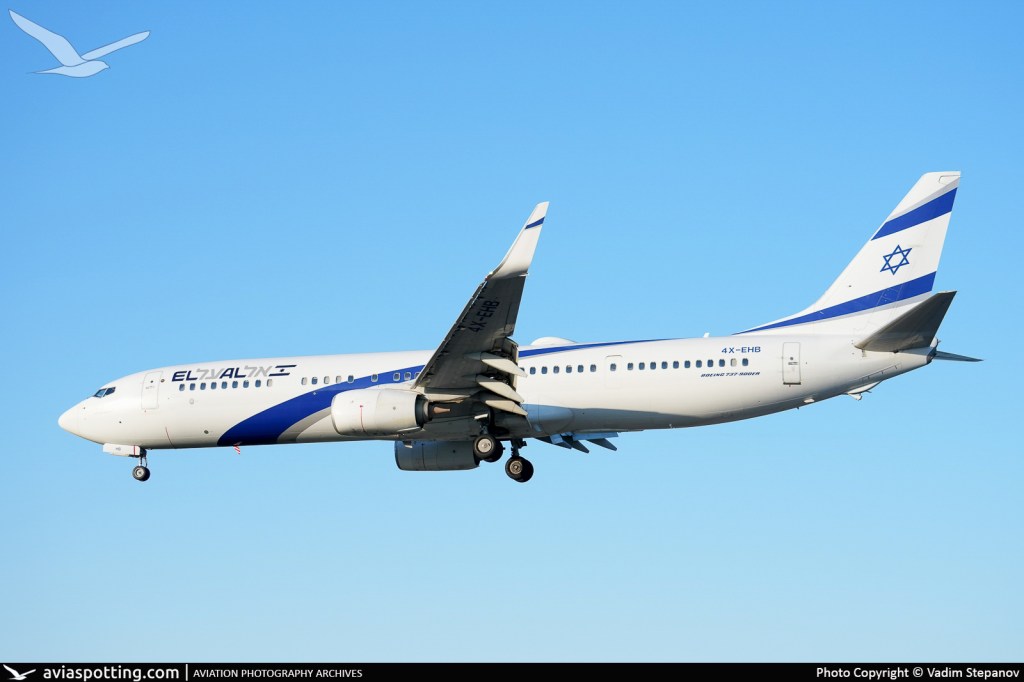
This small airport in the capital of Adjara (approximately 700,000 passengers annually) is the second-largest in Georgia and the fourth-largest in the region. The airport handles approximately 30 flights per day during the summer season and three times fewer in the winter. Its main destinations are Russia, Turkey, Central Asia, Israel, and the Middle East.
In Batumi, the only spotting point is on the embankment at the end of Runway 12. However, it allows for a clear view of all takeoffs and landings throughout the day.
Yerevan Zvartnots International Airport (EVN)
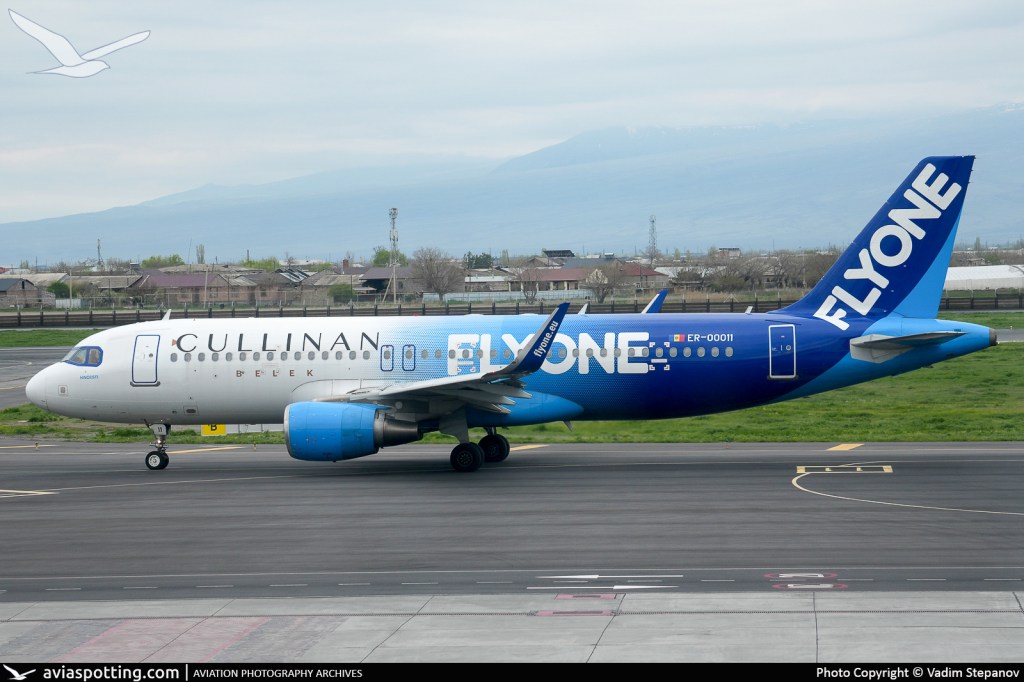
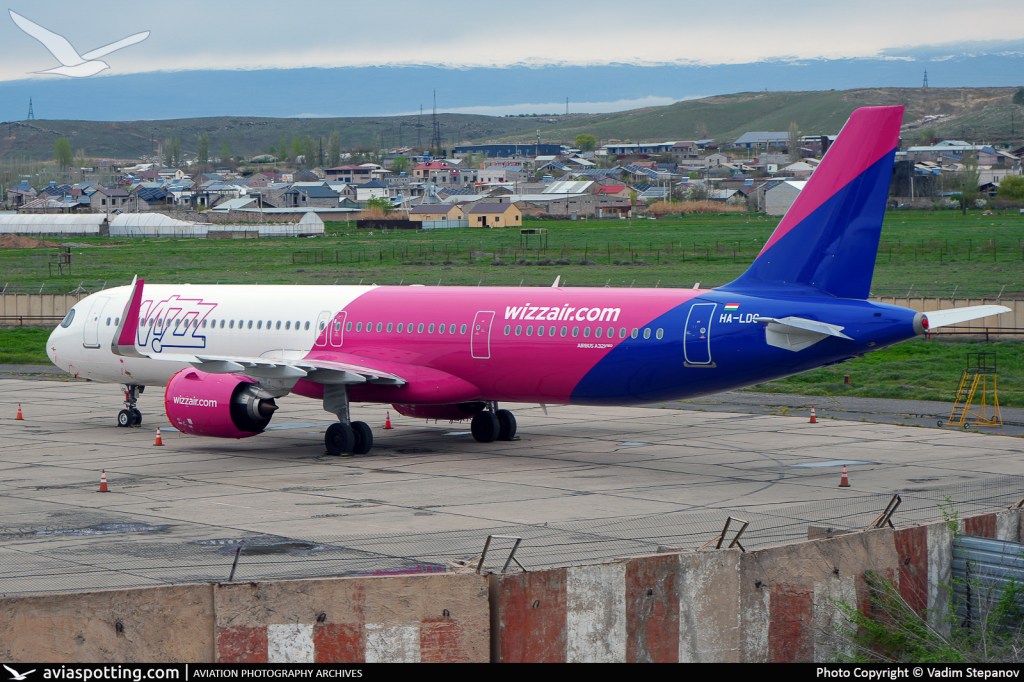
Zvartnots Airport in Yerevan is the second-largest airport in the region by annual passengers’ number (5.6 million). With an average traffic, Yerevan boasts a wide variety of airlines, including local airlines and carriers from Europe, the Middle East, and Russia. The airport’s highlights are the Armenian airlines FlyOne Armenia, Shirak Avia, Armenia Airways, and Hayways.
Spotting points are available at the threshold of Runway 8 and in the terminal (both landside and airside).


Baku Heydar Aliyev Intl. Airport (GYD)
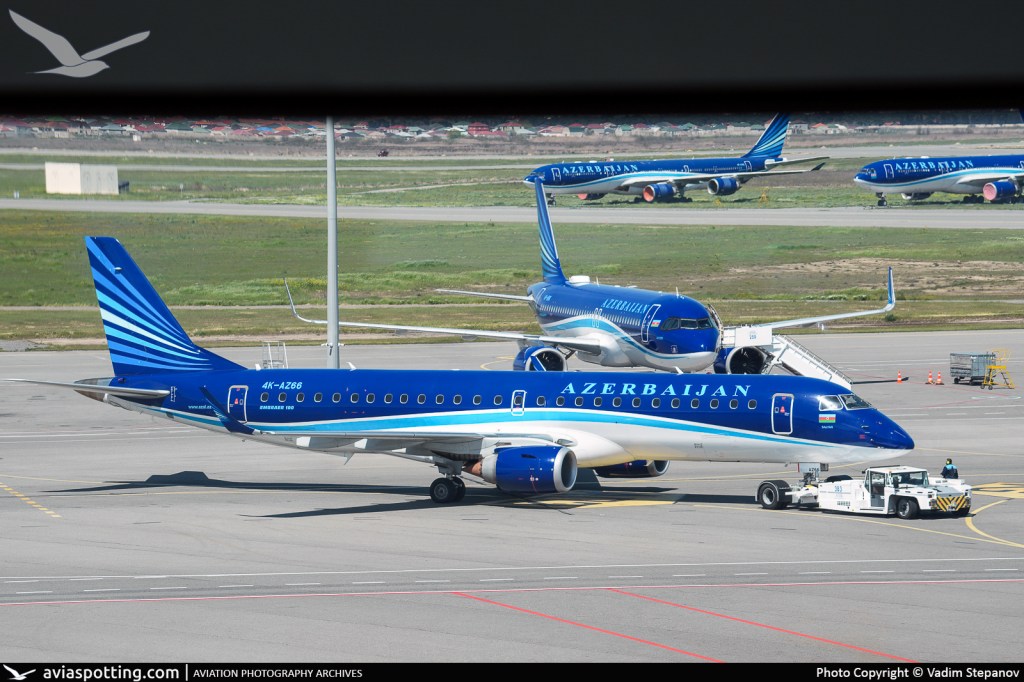
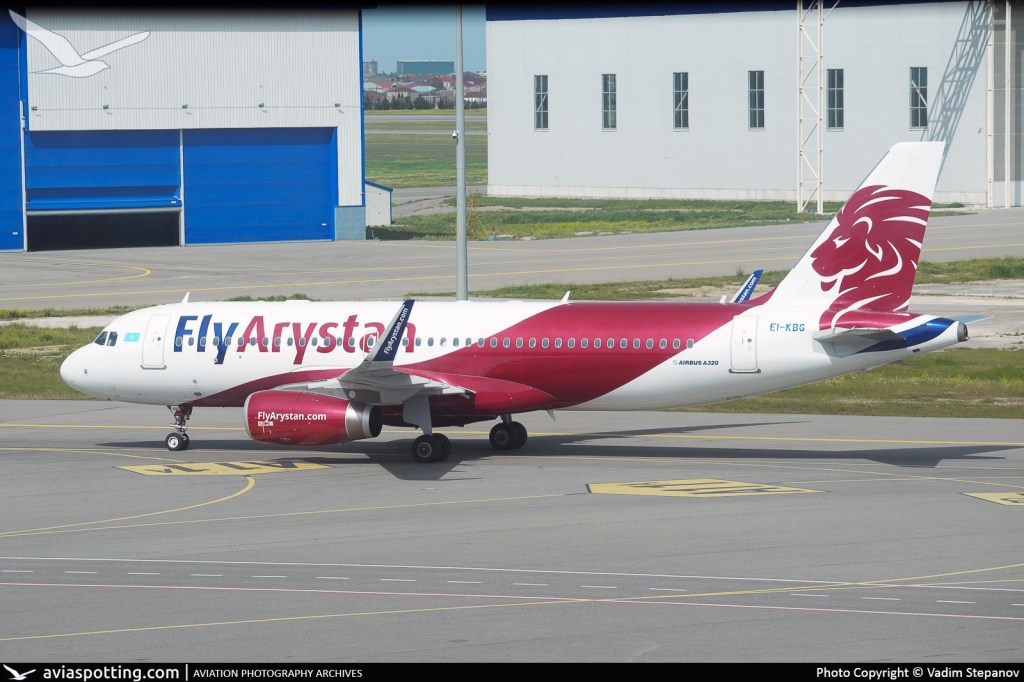
The largest and most modern airport in the region (7.5 million passengers annually) has two runways and two passenger terminals. Traffic at Baku is dominated by the national carrier Azerbaijan Airlines, with a fairly diverse fleet – Embraers, Airbus A320s, and wide-body Boeing 767s, 777s, and 787s. Otherwise, the traffic is typical for the South Caucasus – some Europeans, a few Chinese, and many companies from the Middle East and Russia. The airport’s specialty is the local cargo company Silk Way Airlines, which operates about a dozen Boeing 747s and 777s.
Baku’s spotting options are limited. There’s a spot near the northeast perimeter where you can photograph landings on Runway 17, and a couple of spots in Terminal 1, in the landside area, where you have to shoot through the glass from a considerable distance away.


In general, the airports of the South Caucasus, although relatively small and far from ideal in terms of opportunities for photographing aircraft, are an interesting destination that can diversify the portfolio of any aviation photographer.
See Also
Spotting Guides sections of this website for brief guides and spotting maps of all these airports

